Struggling with lower back pain at your desk? Discover how an ergonomic lumbar support cushion can upgrade any cheap office chair on a budget.
You do not need to replace your entire chair to get immediate back relief. A dedicated external lumbar support cushion is the ultimate posture hack, allowing you to transform a cheap, unsupportive seat into an ergonomic workstation for a fraction of the cost.
Here is everything you need to know about how lumbar cushions protect your spine, the different types available, and how to pick the perfect one for your setup.
The Biomechanics of the Slouch
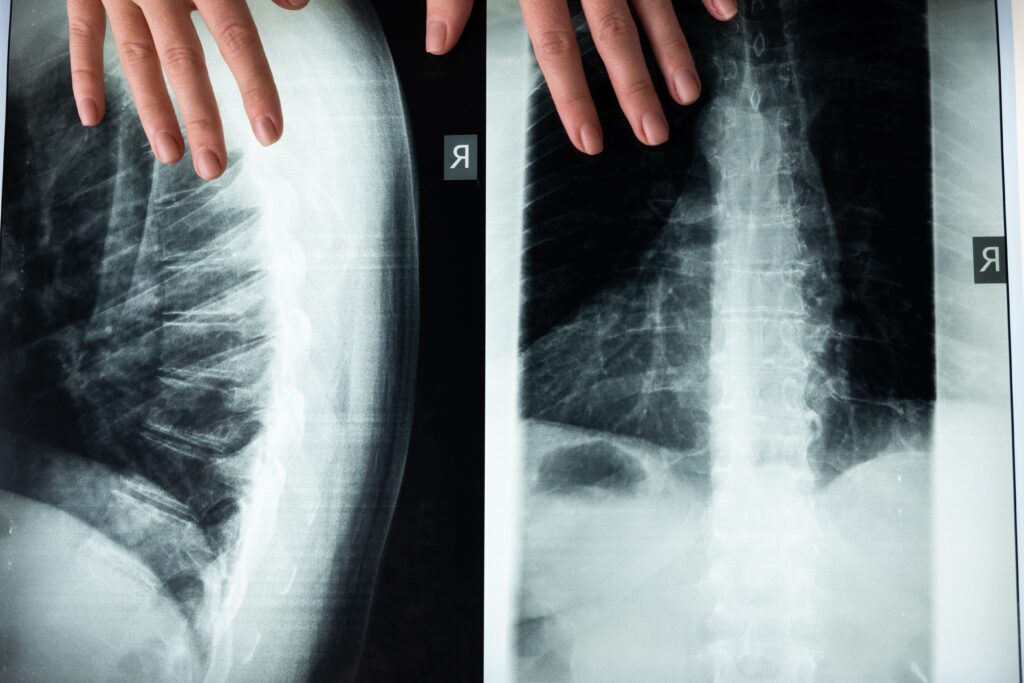
Your spine is naturally shaped like a gentle S-curve. The lower portion of this curve the lumbar region bends slightly inward toward your belly button. This natural curve acts as a shock absorber for your upper body weight.
The moment you sit down in a standard, flat-backed chair, your core muscles relax. Within thirty minutes, fatigue sets in, and your pelvis rolls backward. This forces your lower spine to flatten out or bow outward into an unnatural C-shape.
This prolonged slouching causes severe physical strain:
- It unevenly compresses your spinal discs, increasing the risk of herniation.
- It overstretches the ligaments and muscles in your lower back, causing chronic tightness.
- It triggers a chain reaction that forces your shoulders to round and your neck to stick forward.
A lumbar support cushion solves this by physically filling the empty gap between your lower back and the backrest, holding your spine in its natural, healthy alignment without requiring active muscular effort.
Memory Foam vs. Mesh Inserts: Which is Better?
When looking for an add-on support pad, you will generally run into two core design styles. Choosing the right one depends heavily on your workspace environment and comfort preferences.
1. High-Density Memory Foam (Best for Pure Comfort)
Memory foam pads use dense, polyurethane foam that responds to your body heat and pressure to mold exactly to the unique shape of your spine.
- The Experience: They provide deep, contoured cushioning and excellent pressure distribution. Because they are solid, they offer substantial support for entirely flat wooden, plastic, or thinly padded chairs.
- What to watch for: Memory foam naturally retains body heat. Look for models infused with cooling gel or covered in breathable 3D mesh fabric if your workspace gets warm.
2. Ergonomic Mesh Frameworks (Best for Hot Climates)
These supports consist of a flexible wire frame wrapped in tightly stretched, breathable mesh fabric that clips onto the back of your chair.
- The Experience: They offer zero heat retention and maximum airflow, keeping your back completely cool during long summer shifts. The support is firmer and springier than memory foam.
- What to watch for: Because they rely on fabric tension rather than thick foam, cheap mesh frames can sag over time, losing their supportive curve.
Critical Features to Check Before Buying
To ensure your lumbar cushion actually stays functional day after day, look for these three design elements before buying:
- Dual Adjustable Straps: Avoid cushions that use a single elastic band. They will constantly slide down to the seat pan every time you stand up. Look for dual, heavy-duty adjustable straps with extension clips that lock the cushion firmly to the frame of your chair.
- Contoured Ergonomic Shading: The best cushions are not simple blocks. They are shaped like an extension of the human body thicker at the base to cradle the lower lumbar spine, with gently tapered wings on the sides to stabilize your mid-back and prevent side-to-side shifting.
- A Removable, Washable Cover: Since you will be leaning against this cushion for 40 hours a week, make sure the outer cover has a zipper so you can take it off and throw it in the washing machine to keep your setup clean.
The Golden Rule of Placement
A lumbar cushion will only save your back if it is positioned correctly. A very common mistake is sitting the cushion flat against the bottom seat pan, which pushes your hips forward and makes your posture worse.
The Correct Setup: Sit all the way back in your chair so your tailbone is touching the backrest. Slide the lumbar cushion up until the thickest, most prominent part of the curve nestles perfectly into the small of your lower back right above your beltline. Your upper back should still comfortably touch the upper portion of your chair.
Final Verdict
An external lumbar cushion is the single most cost-effective posture upgrade available. By spending a minimal amount on a high-quality support pad, you can rescue your spine from an unsupportive chair, eliminate mid-day fatigue, and maintain a healthy workspace layout anywhere you set up your laptop.